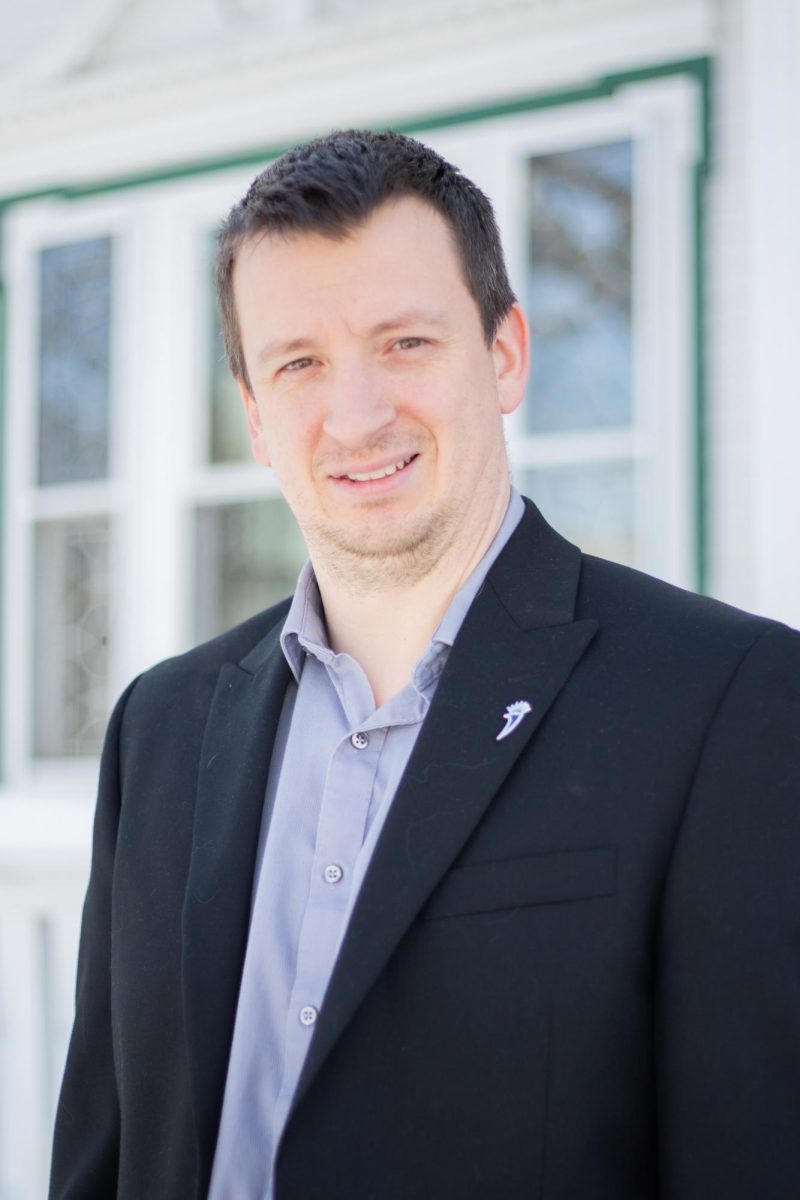








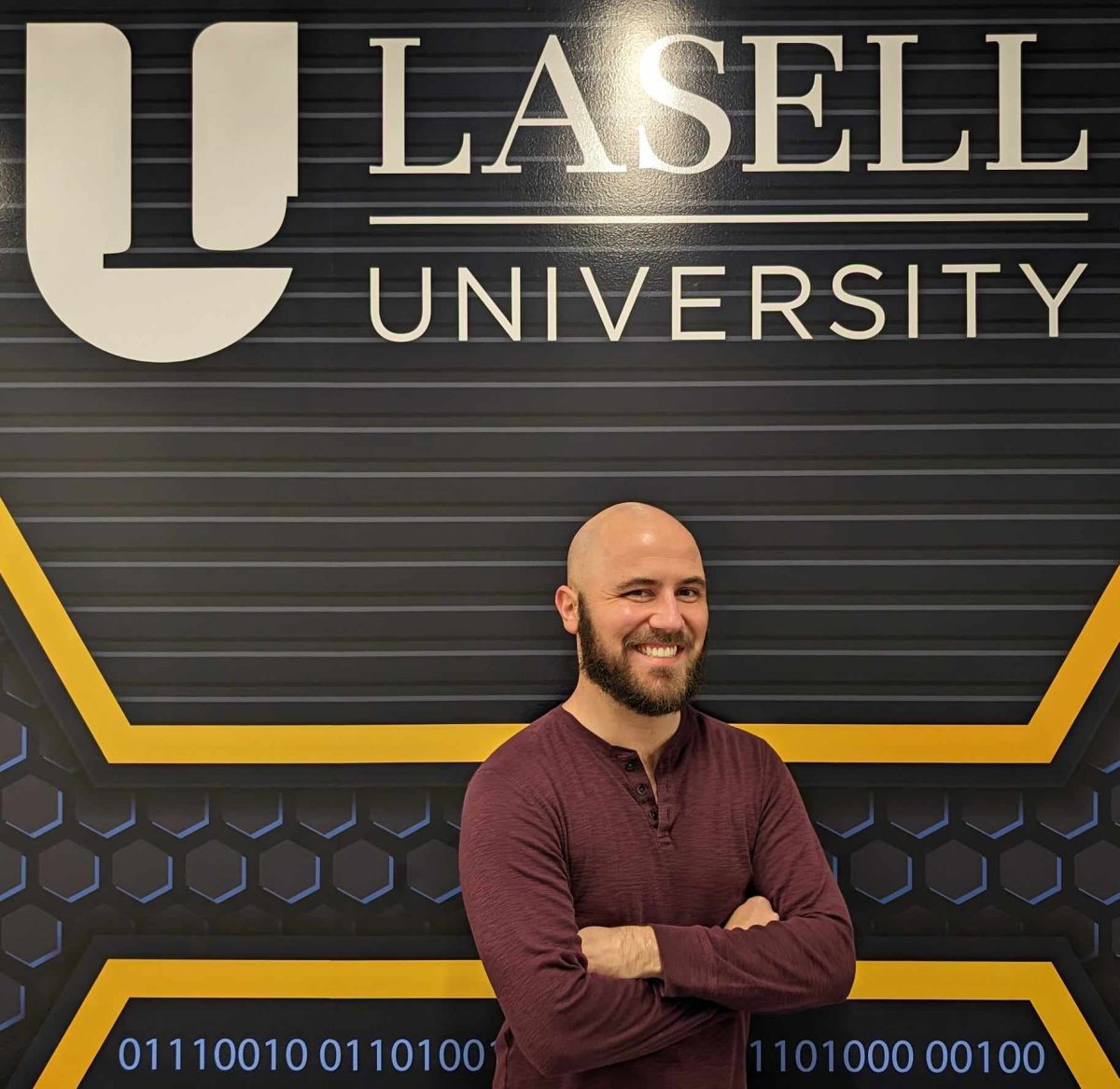
In a field that’s constantly evolving, some professors stand out not just for what they teach, but for how they shape the people in their classrooms. Kurt Wirth, a communication professor at Lasell, is doing exactly that, bringing a mix of real-world experience, unconventional teaching methods, and a deep commitment to student growth.
Growing up in a small town in Alabama with fewer than 100 people, his path to academia wasn’t exactly traditional. In fact, he says he is one of the only people from his graduating class to leave the state, and possibly the only one to earn a college degree. Despite those beginnings, he always felt pulled toward something beyond his environment.
“I always felt like I had more of an East Coast mindset,” he said. “I was meant to go somewhere else.”
He started college at Mississippi State, studying industrial engineering, driven by an early interest in cars. But like many students, his direction shifted. After briefly exploring broadcast meteorology, he realized it wasn’t the right fit, and from there, he pivoted, eventually landing in public relations, almost by accident.
That pivot led to a wide range of experiences, including managing a minor celebrity from “RuPaul’s Drag Race”, working in sales, and later pursuing a master’s degree in communication and media technologies.
After graduate school, he built his career from the ground up, starting in social media and transforming a role that once consisted of just posting on Twitter into a fully integrated marketing strategy involving events and television.
His professional journey didn’t stop there. After working at agencies, managing teams, and serving as a director of marketing for a nonprofit organization, he made another major decision: returning to school to pursue his Ph.D. Now, he’s in his first full-time role as an assistant professor and is bringing all of those experiences into the classroom.
What makes his teaching style different is simple: he doesn’t believe in traditional methods. No exams and minimal emphasis on standard papers. Instead, his classes are built around hands-on learning.
“I’m a huge believer in learning by doing,” he explained. “If you’re going into a professional field, you should actually be doing that work, not just reading about it.”
This led him to create a student-run agency, where students take on real clients, navigate challenges, and learn how to operate in a professional environment. It’s not always easy, but that’s the point.
“I want students to be uncomfortable,” he said. “Because if you’re not uncomfortable, you’re not learning.”
Students are expected to think independently, trust their instincts, and push beyond what they believe they’re capable of. Rather than focusing on strict guidelines like word counts or page limits, he encourages students to figure things out on their own, which is a skill that translates far beyond the classroom.
But beyond the assignments and projects, his biggest priority is personal development.
“My number one passion in life is helping others find their number one passion,” he said.
That mindset shows up in the way he interacts with students. He looks for those who are motivated, open-minded, and willing to grow and then pushes them to reach their full potential. For some students, that means mentorship. For others, it’s consistent, honest feedback. Either way, the goal is the same: growth.
Over time, he’s watched students transform in ways that go far beyond academics.
“One of my favorite things is seeing a person evolve,” he said. “From the outside, the change can be huge, even if they don’t realize it themselves.”
That impact isn’t limited to professional skills. Some of the most meaningful moments in his career have been deeply personal, like when a student once stayed after a Zoom class during the pandemic to share something they had never told anyone before.
“They said I gave them the courage to be themselves,” he recalled. “That’s what matters to me.”
Now, as he takes on additional responsibilities, including serving as chairperson and helping guide the future of the communication program, he’s thinking about what comes next. With the rise of artificial intelligence and constant changes in the industry, he believes communication programs need to stay ahead of the curve.
“This field is going to be heavily impacted by AI,” he said. “We have to be tech-forward and make sure students are ready for that.”
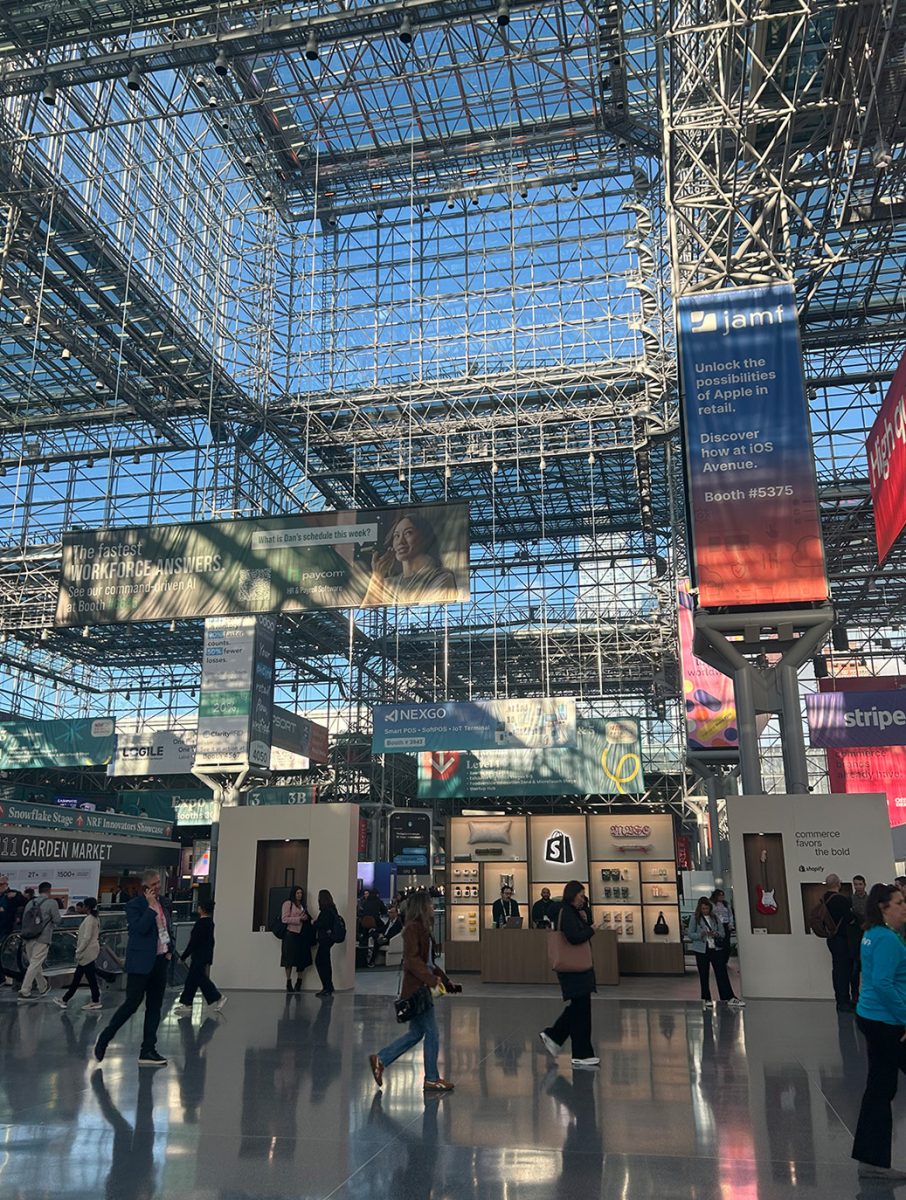
That means continuing to emphasize hands-on learning, expanding opportunities like industry trips, and preparing students not just for jobs, but for fulfilling lives.
At the end of the day, his approach to teaching comes down to a few core messages: do the work, take risks, and trust the process.
And for the students who are willing to embrace that challenge, the results can enhance career readiness in ways you can’t imagine.
–May 15, 2026–