
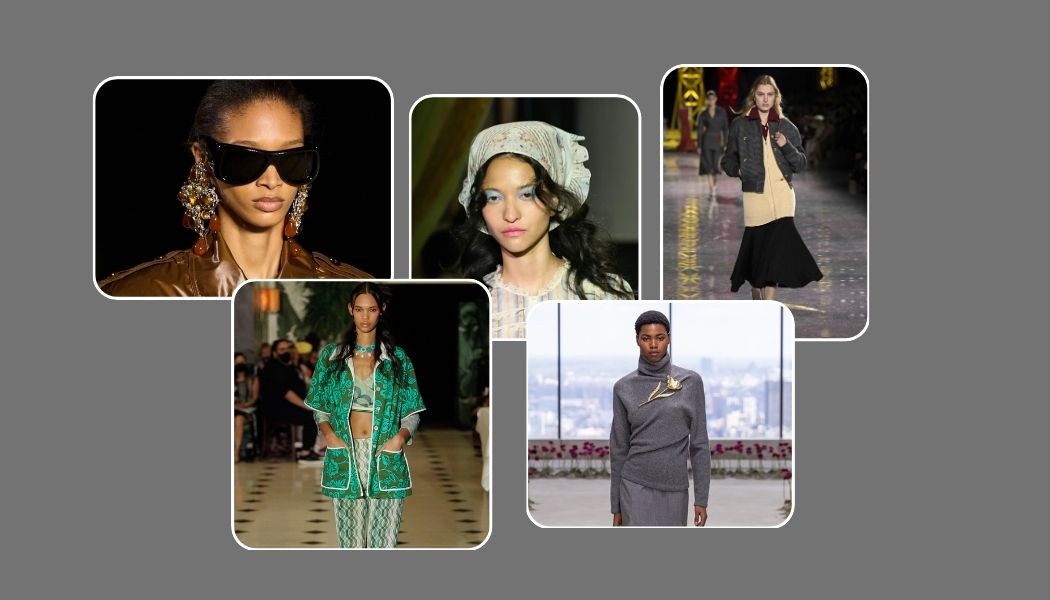








After thoroughly enjoying this year’s new fashion collections across the world and starting to witness several changes in our world economy, my mind immediately related them.
It makes sense to suspect that a recession or challenging economic times are approaching when fashion gets creative, changing almost drastically, and pushing past trends into our modern era. Having transformative moments in history showing fashion rarely retreats and constantly reinvents itself, even if it’s forced to return to authenticity.
Mainly basing this idea on the Hemline Index, created in 1926 by George Taylor, a professor of industrial relations at the Wharton School of the University of Pennsylvania, who theorized that women’s hemlines rise when the economy prospers, and similarly, they fall when a recession is underway.
This started when Taylor analyzed the demand for hosiery; when the economy was good, women would spend money to constantly replace them to be able to wear short skirts and dresses, and when the economy started to decline, they would wear longer hemlines to avoid spending extra.
Vivid examples of this began in the early 1920s, where the flamboyant looks turned into more conservative and practical styles with more neutral tones and serious colors, just in time for the Great Depression.
Even in 1937, when dresses and skirts were once again long and the previously mentioned style reappeared, aligning with the interruption of the economic recovery after the Great Depression.
Following the 1970s, when due to the high inflation the world once again experienced, people were seeking secondhand and ‘Do it yourself’ fashion, getting creative in their personal styles; and where women were pushed towards the workforce, creating a demand to go back to conservative styles, such as midi skirts.
In the early 2000s, the opposite effect occurred when the economy was blooming, an era characterized by a maximalist aesthetic and celebrity influence, and where, you guessed it, skirts were short, colors were bright, and even designer logos were in.
Shifting again to practical styles and even seeing the birth of ‘quiet luxury’ when the 2008 crisis hit, also giving ‘fast fashion’ an opportunity to exist as a way to access runway trends cheaply.
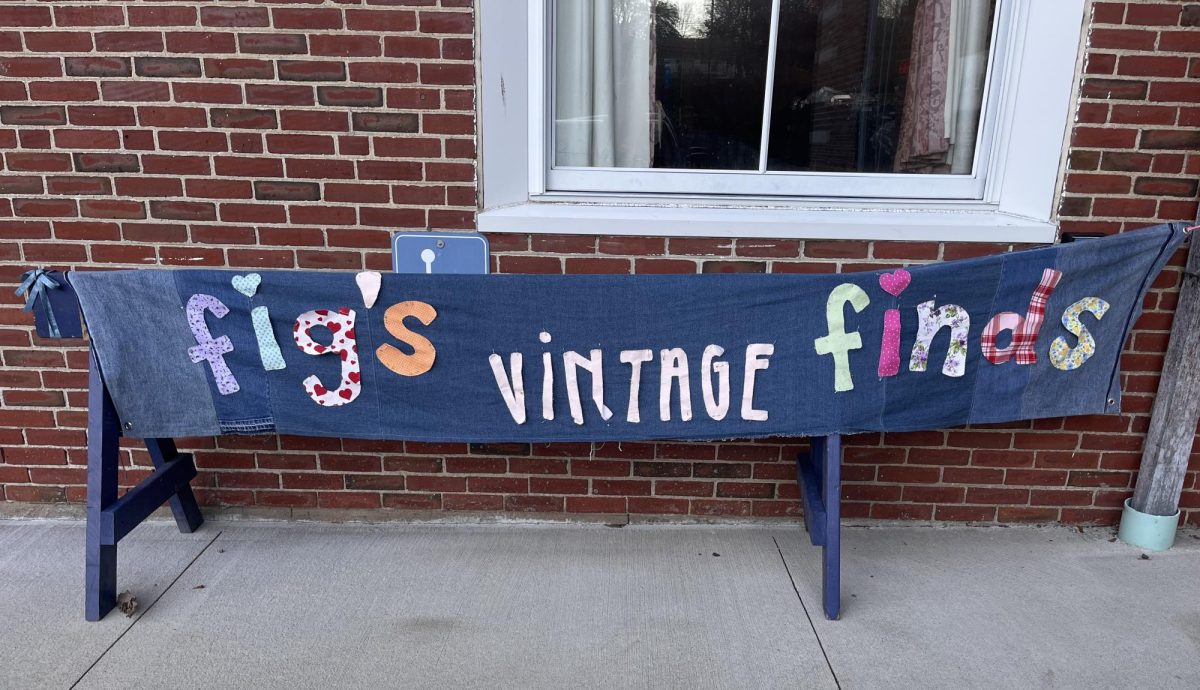
In 2020, the COVID-19 pandemic started, and ‘loungewear’ became the main theme in fashion. Giving us a hint, the modest trend was with us again, linked to the economic caution everyone was taking. The industry is now using fewer fabrics with slimmer silhouettes and tailored garments. ‘Do it yourself’ trends are coming back in style, too, and vintage fashion is making a comeback once again.
It is not a surprise that fashion, a form of art, has been used as an emotional armor to uplift ourselves during times of crisis. It shows us that cuts in excess can only lead to refocus on design, craftsmanship, and purpose. Forcing its innovation over indulgence, and delivering the greatest collections in history.
–Nov 4, 2025–