







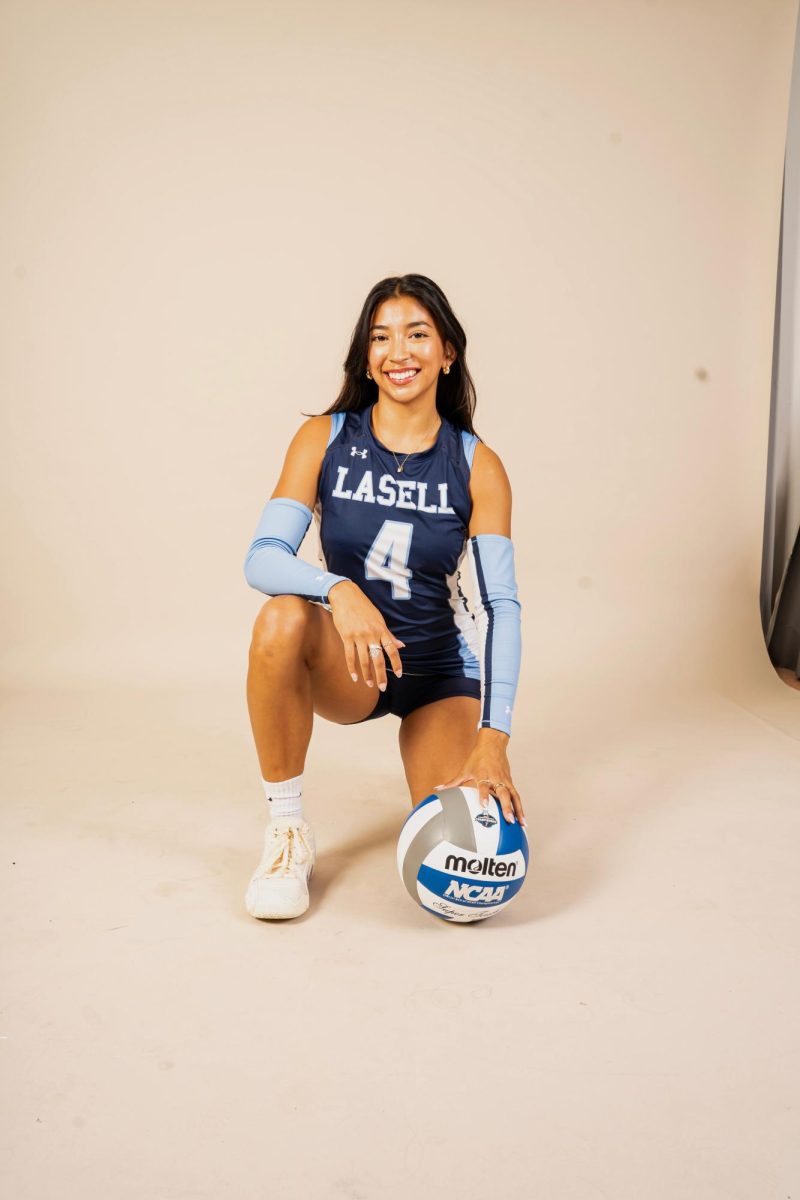




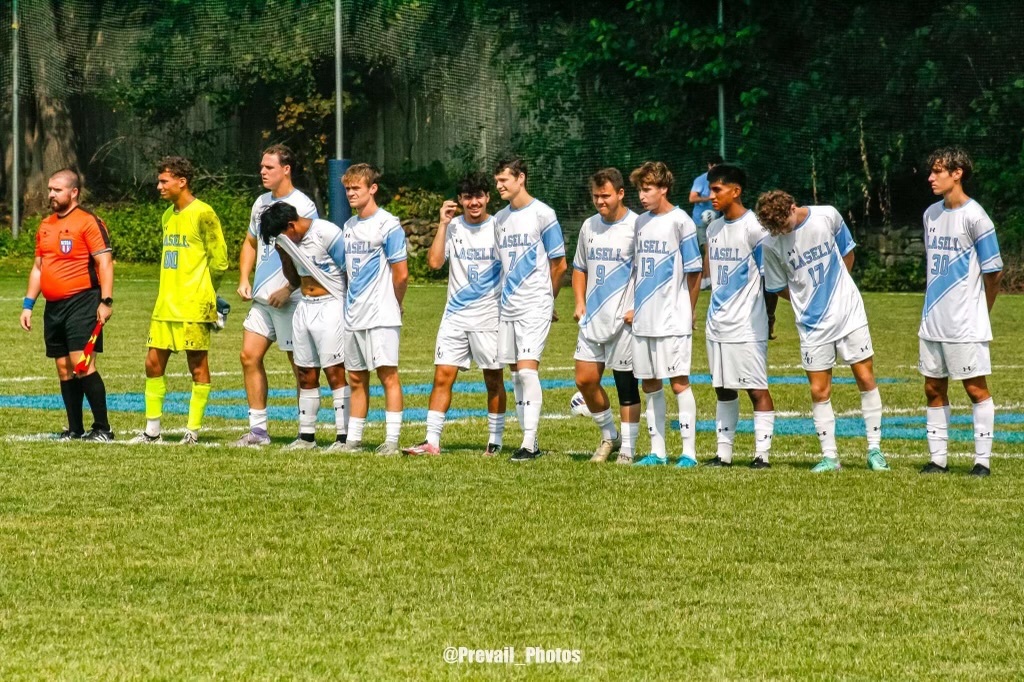







College athletics rarely follow a straight line. For some, like baseball’s Matt Williams, the future felt uncertain from day one, overwhelmed by new faces and the unknowns ahead. And for athletes like track & field thrower Alex McFarlane, the journey wasn’t even part of the plan.
When he first arrived on campus, track wasn’t on his radar at all; he didn’t plan on having a college athletic career.
But that unexpected start would eventually turn into one of the most defining parts of his experience.
Despite their different beginnings, these student-athletes share a common thread: growth shaped by experience, relationships, and resilience.
Early expectations often evolve. Men’s basketball guard Joe Gattuso arrived expecting to grow alongside his freshman class, only to see that group change dramatically over time, forcing him to build new connections and redefine his team.
Softball’s ace Abby Fortin came in simply wanting four more years of the game she loved, but left with a stronger sense of purpose and even aspirations to coach.
Julianna Huckans of women’s soccer and track & field embraced uncertainty altogether, stepping into multiple sports and roles with an open mind, discovering new strengths along the way.
For McFarlane, what began as no real interest in track shifted completely as he built relationships with his teammates and began to see progress in his events, ultimately falling in love with the sport.
What remains constant isn’t the outcome; it’s the mindset. Success never came from reputation alone, but from consistent effort year after year. That idea echoes across every story: The wins matter, but the work behind them matters more.
Still, there are defining moments that stay with athletes forever. For some, it’s something more personal, like Williams’ first collegiate hit or Gattuso’s Senior Night. Fortin remembers the pure joy of a playoff run her freshman year, while Huckans recalls a moment of support, her soccer team celebrating her track championship from afar.
For McFarlane, that defining moment came in breaking school records in both the hammer and weight throw, a milestone that marked just how far he had come from where he started.
Beyond the highlights, being a student-athlete shapes identity in lasting ways.
Time management, discipline, communication, and resilience aren’t just skills; they become habits. Balancing academics, athletics, and life forces growth that extends far beyond the field.
For McFarlane, that growth meant becoming more social and open to new people while stepping into a leadership role, learning how to hold himself accountable while supporting and leading his teammates.
Across the board, these athletes emphasize that learning how to handle loss, adapt to change, and support others becomes just as important as competing.
But if there’s one thing every athlete agrees on, it’s what they’ll miss most: the people.
Teammates become more than just those you compete with; they become family. Whether it’s bus rides filled with music and laughter, team dinners, locker room debates, or simply the shared pursuit of a goal, those everyday moments leave the biggest impact.
Williams talks about a constant circle of teammates who became his world, while Gattuso remembers the small, unfiltered moments that made the experience real.
For McFarlane, it’s those same moments, especially the bus rides back from meets, joking around and singing together after long days of competition, that he knows he’ll miss the most.
For Fortin and Huckans, those relationships turned into lifelong friendships built on trust and shared challenges.
The influence behind the journey varies between family, coaches, and teammates, but each plays a critical role. From parents who supported every step, to siblings who inspired the path, to coaches who pushed athletes beyond their limits, success is never achieved alone.
McFarlane credits his throwing coach as the driving force behind his growth, pushing him to reach a level he didn’t know he was capable of and helping him climb the GNAC ranks quickly.
When asked about the “full” college experience, the answers reflect a deeper truth: there’s no single definition. Some didn’t follow the traditional path but instead experienced something unique, competing at a high level while balancing academics and personal growth.
For McFarlane, despite not expecting to be part of a team at all, the relationships and experiences he gained through track made his college experience feel complete.
And as they look ahead, their advice is strikingly consistent:
Be open.
Step outside your comfort zone.
Build relationships beyond your team.
And most importantly, appreciate every moment.
As McFarlane’s journey shows, sometimes the most meaningful paths are the ones you never planned for in the first place.
Because, as many of them have realized, it all goes by faster than you think.
–May 15, 2026–
