




















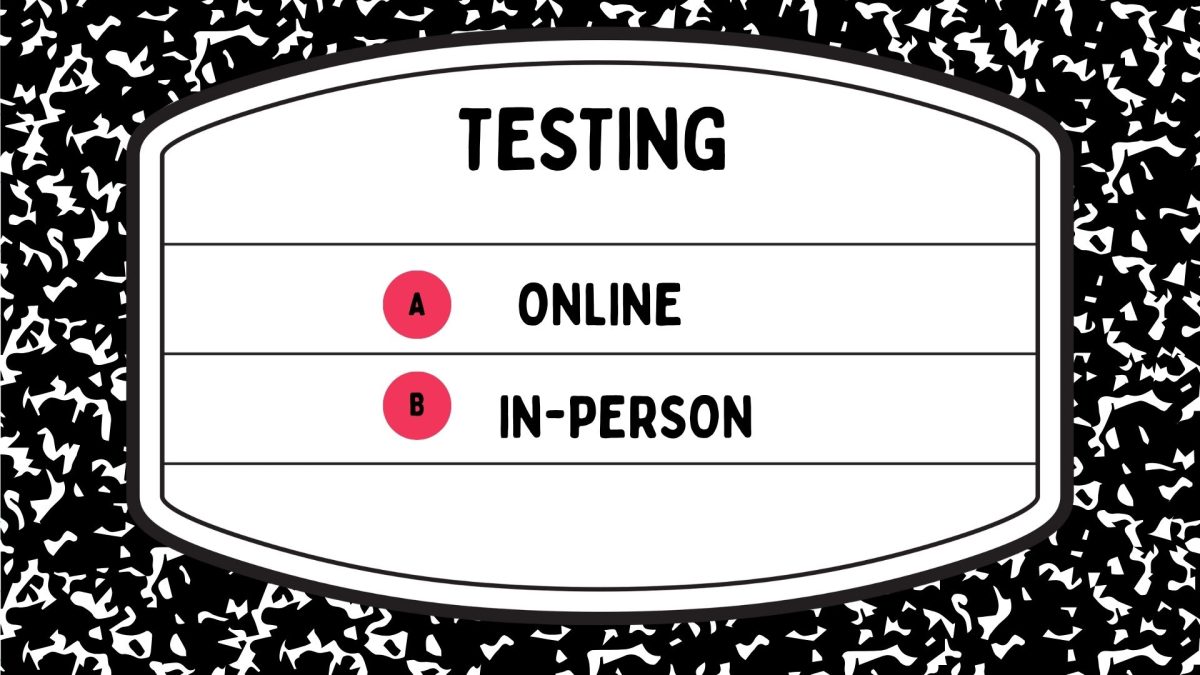
Exams test more than knowledge; they test how we handle pressure, time, and focus. In‑class exams demand quick thinking and recall under strict time limits. There’s no room to second-guess or over-research because you rely on preparation and instinct. That intensity can be stressful, but it also creates a clear endpoint. Once you walk out, it’s over. The adrenaline rush can even sharpen concentration, making the experience feel fast and finite.
Take‑home exams, on the other hand, stretch that pressure across days or weeks. At first, the extended deadline seems like a gift: time to think deeply, check notes, and polish answers. But that freedom often turns into slow-burning stress. Working in a dorm room blurs the line between study and rest, and the exam lingers in the background of everything else: meals, classes, and even sleep. The constant awareness that you could be working on it makes the task feel heavier. Instead of one burst of focus, you face a marathon of self‑discipline.
The difference in stress levels isn’t just about time; it’s about control. In‑class exams control you: the clock, the silence, the proctor. Take‑home exams hand you control, but also responsibility. You decide when to start, how long to spend, and when it’s “good enough.” That freedom can be empowering or exhausting, depending on your mindset.
Personally, I haven’t quite decided which I prefer. In‑class exams give closure; take‑home exams give space. One tests quick mastery, the other tests endurance. Maybe the real answer depends on the subject; some ideas deserve time to unfold, while others reveal what you know best under pressure. Either way, both forms measure not just what we’ve learned, but how we manage ourselves when learning is put to the test.
–May 15, 2026–