












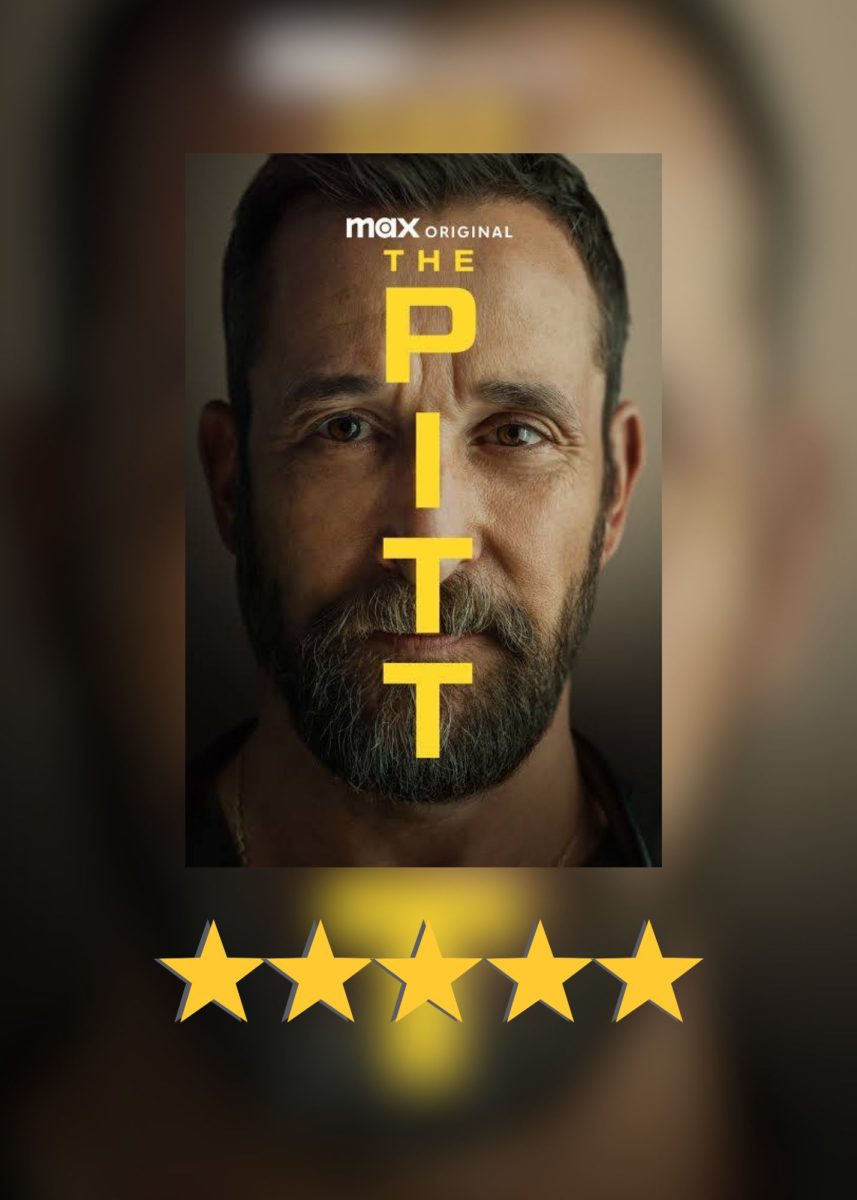








There’s a specific kind of burnout that happens when you’re just trying to keep your head above water while everything around you is sinking. Most medical shows try to ignore that feeling, opting instead for high-stakes surgeries and hospital romances that feel like they may not always belong. But Season 2 of “The Pitt” leans directly into that exhaustion. I think it’s one of the most honest depictions of the American healthcare system and the people within the system, hitting a breaking point.
At the center of the chaos is Dr. Michael Robinavitch, and honestly, he’s a lot to handle this season. Noah Wyle isn’t playing the hero; he’s playing a man who has spent far too much time at work. Watching his depression manifest as irritability and workplace bullying is really uncomfortable, mostly because it feels so real.
We’ve all encountered that one person who is brilliant at what they do but has become so jaded that they’ve become a liability. This is Robby. The show doesn’t try to make Robby’s behavior acceptable; it shows it for what it is: the messy, ugly byproduct of being a human being in a field that doesn’t allow for much humanity.
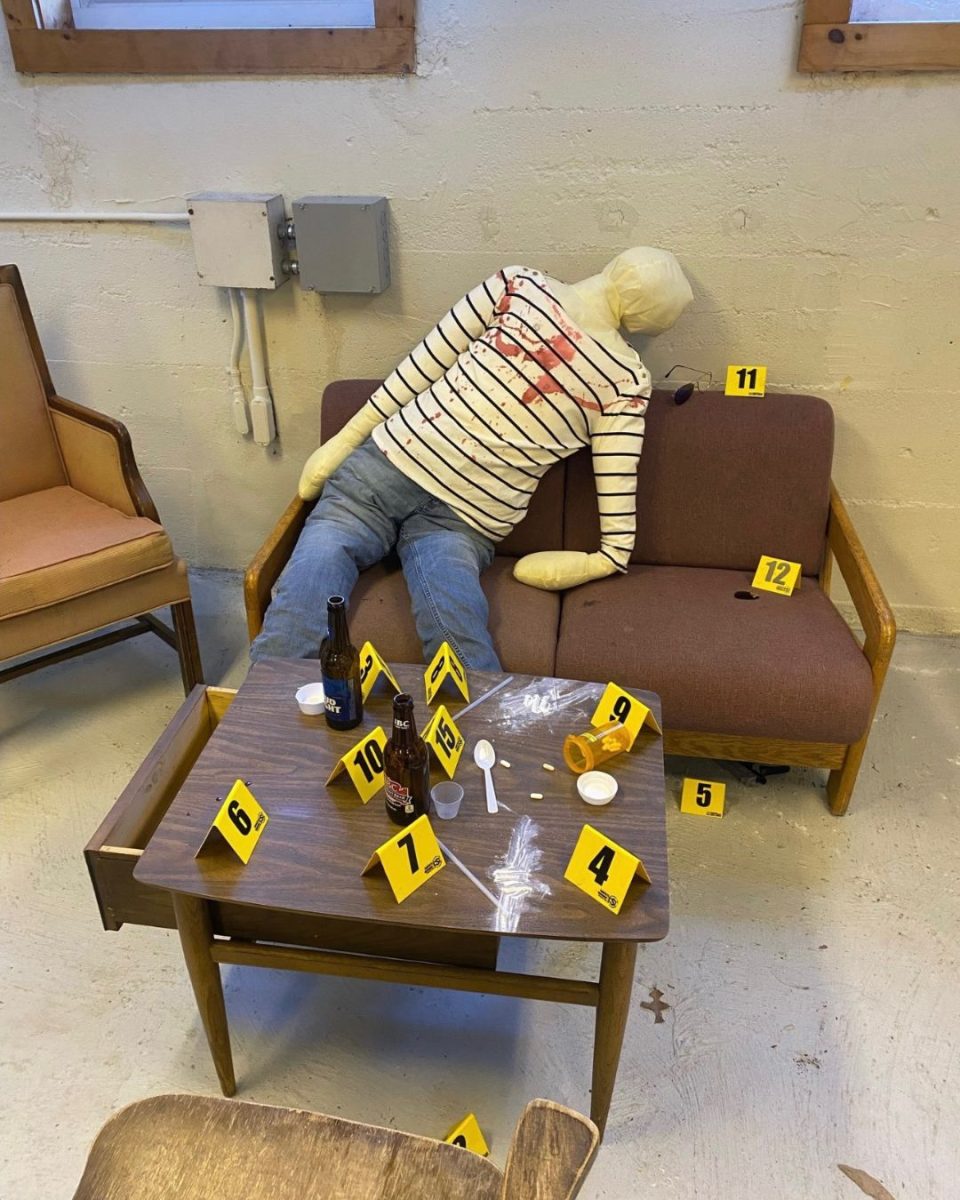
What really makes this season good is how it handles the “quiet” trauma. While the Emergency Department physician (ED) is always frantic, the real tension comes from the systemic rot, like the intrusion of Immigration and Customs Enforcement (ICE) agents in the hallways or the dehumanizing pressure to use Artificial Intelligence (AI) for patient charting just to save a few minutes. It captures that 2026 brand of anxiety where technology and bureaucracy are supposedly making things “easier” while actually making everyone feel more isolated. The episode detailing a sexual assault exam with a SANE (Sexual Assault Nurse Examiner) was a standout for this reason; it forced the show to slow down and show an agonizingly detailed look at the compassion required in a place that usually doesn’t have time for it.
By the time you get to the end of the season, you realize the show isn’t interested in giving you a “big win” to make the stress worth it. It’s actually kind of jarring to watch a show that refuses to fix its characters. Usually, by the finale, you expect a breakthrough or a moment where the clouds part, but here, the problems just stay heavy.
Robby is still struggling, the hospital is still underfunded, and the staff is still just trying to survive through their next shifts. It’s a lot to take in, but a really great representation of an actual hospital and the issues going on within the healthcare system.
The reason this season stays with you is that it doesn’t offer a way out. It’s a tribute to the people who are running on nothing but caffeine and spite, showing up for the next shift even when they know the game is rigged. There are no miracle cures for the characters’ mental health or the broken world they’re working in, similar to real life.
It’s an exhausting, heavy watch that leaves you thinking a lot about the healthcare system and the world that we live in.
–May 15, 2026–